
Sources checked: 16 October 2026
General information, not an individual legal opinion. Requirements depend on your status and circumstances. Check current official guidance before applying.
Start with the residence grounds
There is no universal file for every residence card. Identify the procedure and competent authority, then list the required documents from its official guidance. Separate formal application attachments from evidence of circumstances such as employment, studies, business or family ties.
For each item, record its issuer, the period it supports and whether you already have it. This inventory is more useful than an unrelated collection of someone else's templates.
Make the evidence consistent
Compare names, addresses, dates and document references across the file. A change of name or employer should be explainable through the sequence of documents rather than appearing to be an error. Investigate differences before submission; do not alter official documents yourself.
Check that evidence relates to the relevant period. An old contract may explain your history without establishing your present circumstances.
Check document format
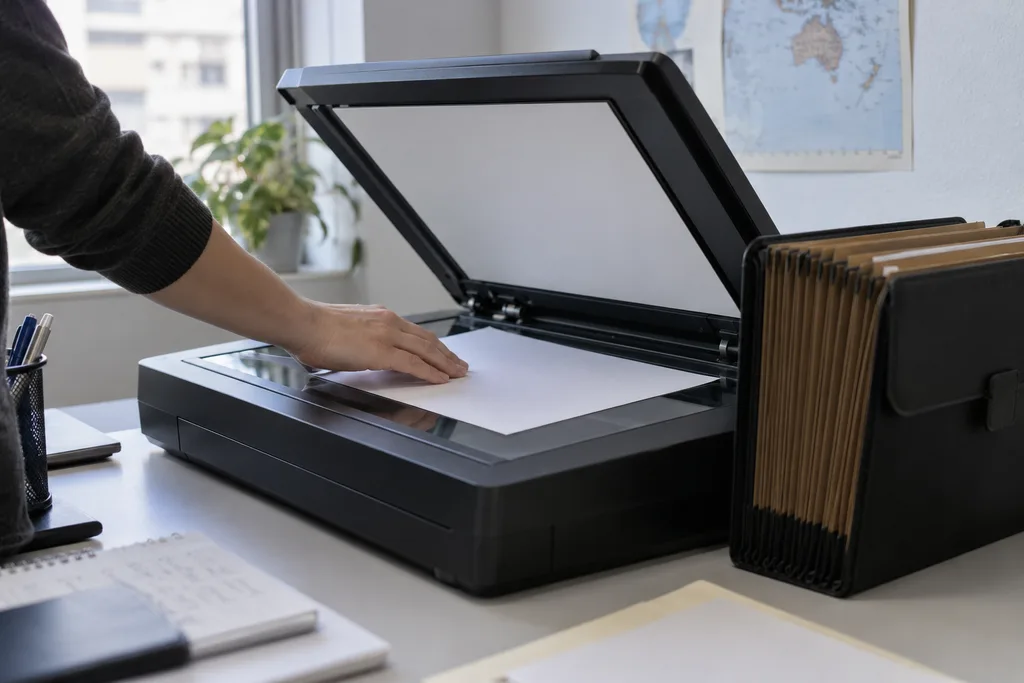
Read the procedure's current rules for photographs, copies, electronic attachments and signatures. Each document should be fully legible, including relevant reverse sides and annexes. File names should distinguish documents without exposing unnecessary personal details.
Translation, an apostille or legalisation is not automatically required for every page. Check the document type, issuing country and applicable agreements. A translation does not correct inaccurate information in the original.
Keep a separate case history
Separate original materials, the submitted file and subsequent correspondence. Retain submission and delivery evidence alongside the versions of supplements you sent. For an authority's letter, note when it was received, what it requests and the response deadline it states.
A newly saved file has not automatically entered the case. Use the required channel and retain confirmation of the relevant action.
Prepare for the first conversation
For an initial enquiry, identify the expected procedure, case stage and nearest deadline. Describe the uncertainty: a missing document, inconsistent information or an unclear letter from the authority. Do not send a complete passport in that first enquiry.
The INFOCOM contact form prepares an email only and accepts no files. The evidence needed for a professional review and an appropriate transfer method are discussed separately. A completed personal checklist does not certify completeness or guarantee the decision.